
Ceylon Cinnamon: The True Cinnamon of Sri Lanka
Introduction
Ceylon cinnamon, often called “True Cinnamon,” is one of Sri Lanka’s most famous and valuable spices. Known for its delicate flavor, sweet aroma, and premium quality, it stands apart from the more common cassia cinnamon found in many markets.
Grown and processed mainly in Sri Lanka, Ceylon cinnamon is a symbol of purity, tradition, and excellence in the global spice industry.
What is Ceylon Cinnamon?
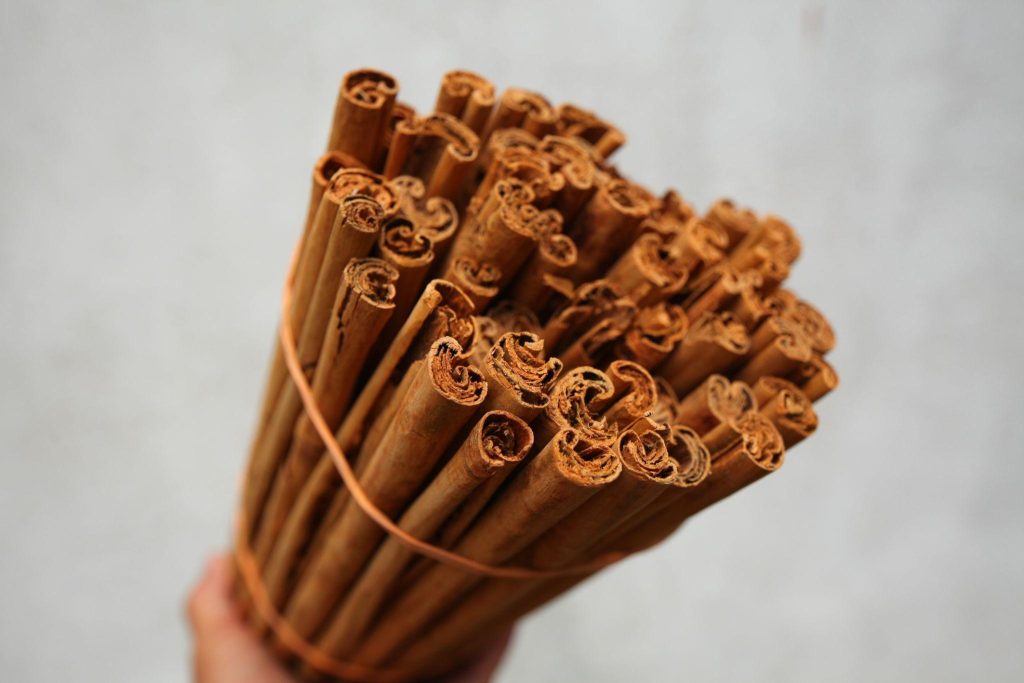
Ceylon cinnamon comes from the inner bark of the tree Cinnamomum verum. Unlike cassia, which is thick and strong, Ceylon cinnamon is thin, soft, and layered into delicate rolls known as quills.
Key characteristics include:
- Light golden-brown color
- Mild, sweet flavor
- Soft, crumbly texture
- Subtle, pleasant aroma
This makes it ideal for both culinary and medicinal uses.
A Heritage Rooted in Sri Lanka
Sri Lanka has been the world’s leading producer of true cinnamon for centuries. The spice attracted traders from around the world, including Arabs and Europeans, who highly valued it for its rarity and fragrance.
Cinnamon played a key role in:
- Ancient trade routes
- Colonial expansion
- Sri Lanka’s agricultural identity
Even today, Sri Lanka supplies the majority of the world’s Ceylon cinnamon.
Why Ceylon Cinnamon is Special
🌿 1. True Cinnamon
Ceylon cinnamon is considered the authentic form of cinnamon, unlike cassia varieties.
🍯 2. Mild and Sweet Flavor
It has a gentle taste with citrusy and floral notes—perfect for refined dishes.
🛡️ 3. Low Coumarin Content
Coumarin is a compound that can be harmful in large amounts. Ceylon cinnamon contains very low levels, making it safer for regular consumption.
💎 4. Premium Quality
Handcrafted processing ensures high standards and consistency.
Culinary Uses
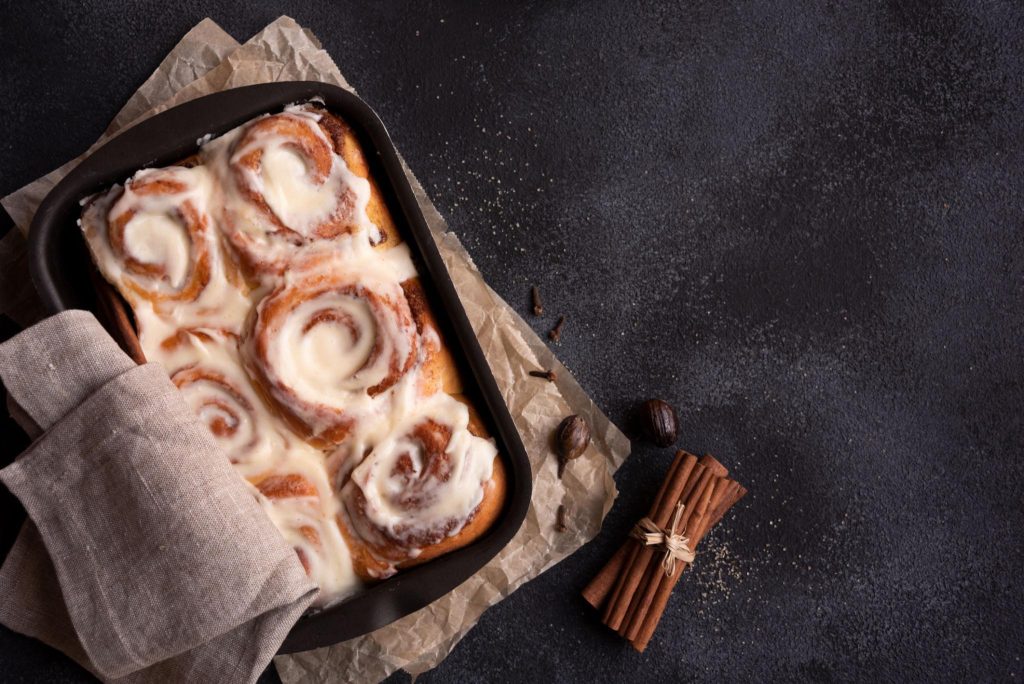
Ceylon cinnamon is widely used across different cuisines thanks to its balanced flavor.
Common uses:
- Baking (cakes, pastries, cookies)
- Beverages (tea, coffee, spiced drinks)
- Curries and rice dishes
- Desserts and sweet sauces
Its mildness allows it to enhance dishes without overpowering them.
Health Benefits
Ceylon cinnamon is not just flavorful—it’s also known for its health benefits:
✔ Helps Regulate Blood Sugar
Often used as a natural support for managing glucose levels.
✔ Rich in Antioxidants
Protects the body from oxidative stress.
✔ Anti-Inflammatory Properties
May help reduce inflammation in the body.
✔ Supports Heart Health
Linked to improved cholesterol levels.
How It’s Grown and Processed
Ceylon cinnamon is mainly cultivated in the southern coastal regions of Sri Lanka, such as:
- Galle
- Matara
- Hambantota
The process involves:
- Cutting young cinnamon stems
- Peeling off the outer bark
- Extracting the inner bark
- Rolling it into quills by hand
- Drying naturally in the sun
This labor-intensive method is what gives Ceylon cinnamon its unique quality.
Conclusion
Ceylon cinnamon is more than just a spice—it’s a symbol of Sri Lanka’s heritage, craftsmanship, and natural richness. With its gentle flavor, health benefits, and premium quality, it continues to be one of the most sought-after spices in the world.
Whether you’re brewing a warm cup of tea or baking a dessert, choosing Ceylon cinnamon ensures a touch of authenticity and excellence in every bite.